
 Image 1 of 1
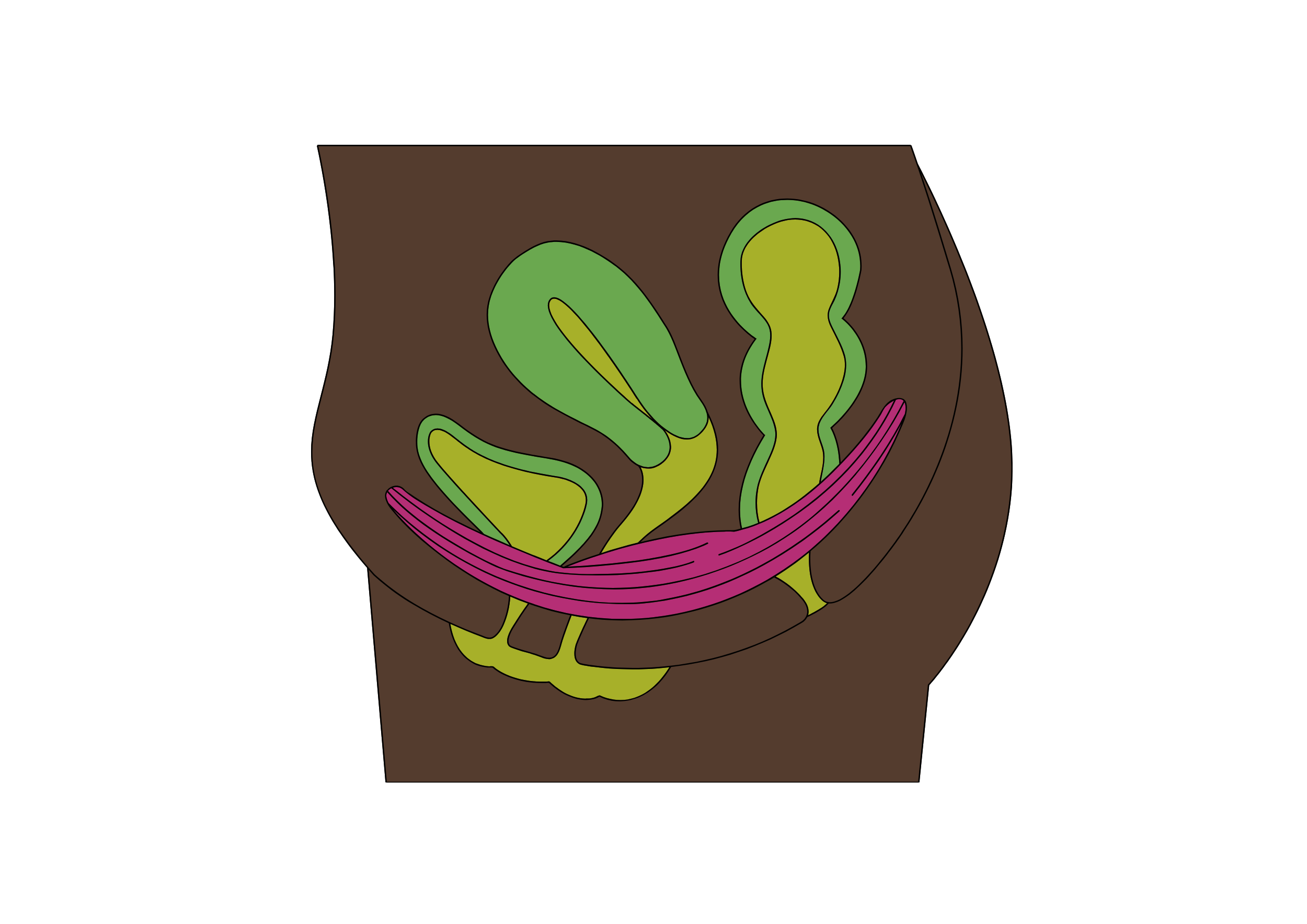
The pelvic floor is often referred to as a diaphragm because it functions much like the breathing diaphragm—moving, responding, and coordinating with pressure in the body rather than staying rigid or “held.”
Just as the respiratory diaphragm moves up and down with each breath, the pelvic floor subtly lengthens and recoils in response to breathing, movement, posture, and internal pressure. It works in relationship with the breath, the abdominal wall, and the nervous system to support continence, stability, circulation, and ease of movement.
When the pelvic floor can move and respond dynamically, it helps regulate pressure and creates a sense of support from the inside out. When it becomes chronically tight, guarded, or disconnected—often in response to stress or trauma—it can lose this adaptive movement, contributing to pain, tension, or dysfunction.
Referring to the pelvic floor as a diaphragm helps shift the focus away from “clenching” or control and toward coordination, responsiveness, and balance—supporting a more embodied, whole-person understanding of pelvic health.
Download a Free Hand Out on the Pelvic Diaphragm with instructions on a simple breathing exercise.
The pelvic floor is often referred to as a diaphragm because it functions much like the breathing diaphragm—moving, responding, and coordinating with pressure in the body rather than staying rigid or “held.”
Just as the respiratory diaphragm moves up and down with each breath, the pelvic floor subtly lengthens and recoils in response to breathing, movement, posture, and internal pressure. It works in relationship with the breath, the abdominal wall, and the nervous system to support continence, stability, circulation, and ease of movement.
When the pelvic floor can move and respond dynamically, it helps regulate pressure and creates a sense of support from the inside out. When it becomes chronically tight, guarded, or disconnected—often in response to stress or trauma—it can lose this adaptive movement, contributing to pain, tension, or dysfunction.
Referring to the pelvic floor as a diaphragm helps shift the focus away from “clenching” or control and toward coordination, responsiveness, and balance—supporting a more embodied, whole-person understanding of pelvic health.
Download a Free Hand Out on the Pelvic Diaphragm with instructions on a simple breathing exercise.